Is China Quietly Surpassing the US in the Global AI Race?
Chinese open-source AI models surge in popularity and performance, adopted by US firms for efficiency while chip limits hinder frontier progress in the ongoing US-China competition.
Leading firms like OneTrust and Cyera pioneer AI tools that anonymize data, ensure GDPR compliance, and prevent breaches, enabling safe innovation across industries amid rising global regulations.
AI chatbots designed as companions expose children to emotional dependency, explicit content, and harmful validation, with tragic suicides reported. Experts demand strict federal regulations and age restrictions.
Google integrates Gemini 3 into Gmail, offering AI Overviews for summaries and queries, enhanced writing aids for all users, and a testing AI Inbox that prioritizes tasks while emphasizing strong privacy controls.
Apple has selected Google’s Gemini models as the foundation for its revamped Siri and future Apple Intelligence features, marking a strategic shift in the AI landscape as the upgrade arrives in 2026 with enhanced conversational abilities and contextual understanding.
Chinese authorities blocked Nvidia H200 AI chip imports this week, halting shipments and causing suppliers to suspend production despite recent US clearance and anticipated demand exceeding 1 million units.
AI-driven data centers could consume as much electricity as Japan by 2030, straining grids worldwide. Nuclear power, with reactor restarts and small modular innovations, steps in as the key source of stable, zero-carbon energy.
X restricts Grok AI from creating sexualized images of real people via geoblocking in regions where illegal, following probes in California, UK, EU, and bans in Indonesia, Malaysia over nonconsensual deepfakes harming women and children.
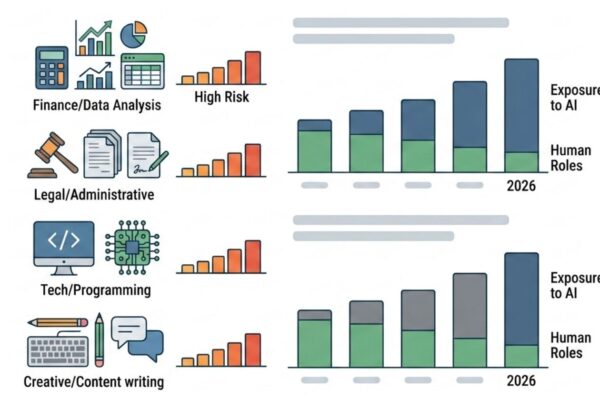
Generative AI raises average wages by 21 percent and substantially reduces wage inequality by simplifying complex tasks, allowing lower-skilled workers to compete in higher-level roles, per a new Stanford and Barcelona School of Economics study.
Multi-agent AI enables networks of autonomous agents to collaborate on intricate problems, boosting efficiency in sectors like healthcare and finance. Explore core concepts, real-world uses, and pioneering firms driving this transformative technology.