
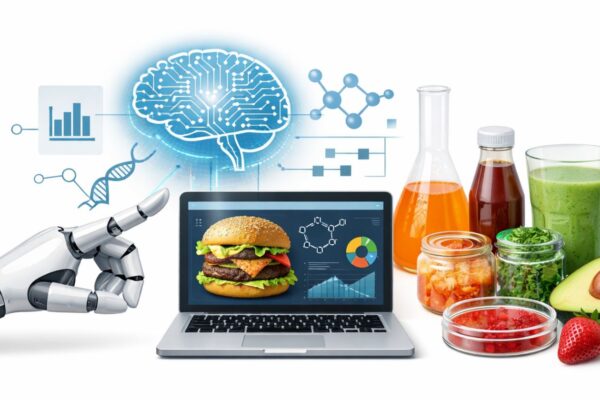
How AI Is Revolutionizing Food and Beverage R&D in 2026 and Beyond
AI now predicts consumer-loved flavors, optimizes formulations in hours, and reduces product development cycles by months while keeping human creativity at the center.
AI now predicts consumer-loved flavors, optimizes formulations in hours, and reduces product development cycles by months while keeping human creativity at the center.
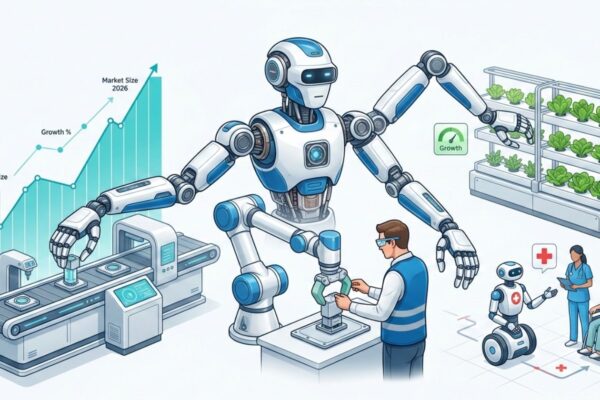
Physical AI enables machines to perceive environments, reason under constraints, and perform actions autonomously. Advancements drive adoption in logistics, manufacturing, and healthcare, with market projections signaling substantial economic value by 2030.

Automated crypto trading bots execute strategies 24/7, removing emotions and capturing opportunities. Platforms like Pionex offer free tools, while advanced options like Bitsgap enable multi-exchange management for diversified portfolios.
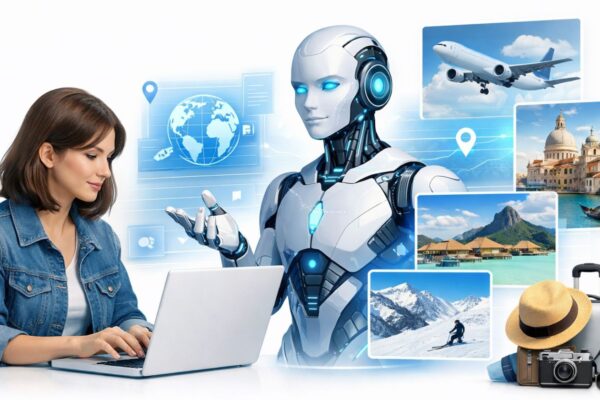
AI now crafts tailor-made trips using your past choices, live preferences, and even photos. From smart assistants to VR previews, travel in 2026 feels unique to you while boosting global tourism growth.
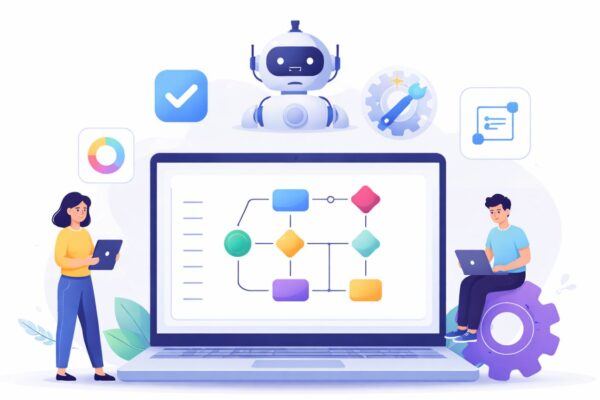
No-code AI workflow platforms let anyone build intelligent agents that handle sales, marketing, HR, and operations end-to-end. These tools now outperform custom development at a fraction of the cost.

Leading firms like OneTrust and Cyera pioneer AI tools that anonymize data, ensure GDPR compliance, and prevent breaches, enabling safe innovation across industries amid rising global regulations.

AI integrates deeply into biomedical research, streamlining drug design and genomic insights while addressing data biases for equitable health outcomes. Leading firms like Insilico and Tempus pioneer tools that cut development times and personalize care.

AI legal research boosts efficiency by analyzing vast case laws in seconds, enabling lawyers to focus on strategy. Adoption surged to 80% in firms, cutting costs and errors, yet demands vigilance against biases and inaccuracies for reliable outcomes

AI optimizes warehouse layouts for 30% more space and automates inventory to achieve 95% forecast accuracy, driving faster fulfillment and lower errors across global operations.

Artificial intelligence redefines sales by automating tasks, personalizing interactions, and providing predictive insights, leading to higher efficiency and better outcomes for businesses in 2025. Key trends include AI agents handling 80% of go-to-market activities and boosting win rates by 30%.