

Why Freelancers Are Thriving in the AI Economy While Employees Are Not
Freelancers earn more, report more opportunities, and use AI tools at higher rates than employees. Here is the structural reason why, and what it means for how you work.

Freelancers earn more, report more opportunities, and use AI tools at higher rates than employees. Here is the structural reason why, and what it means for how you work.
The best AI coding tools in 2026 span Claude Code, Cursor, and open source alternatives. Here is what developers are choosing based on benchmarks and real workflows.
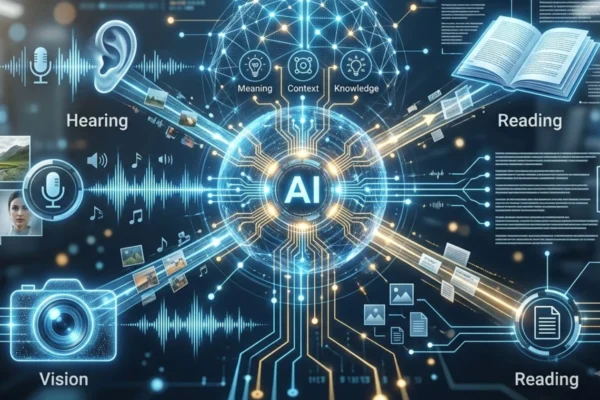
Multimodal AI processes text, images, audio, and video in a single model call. Here is how the technology works and which models lead each category in 2026.

Claude differs from other AI chatbots through Constitutional AI training, a publicly documented value framework, and consistent safety evaluation leadership among frontier models.
Meta Llama 4 offers near-frontier performance at zero per-token cost when self-hosted. Every developer should test it against their current paid API before committing to production.

AI is creating millions of new jobs by 2030 that barely exist today. Here are the emerging roles, required skills, and how to prepare for them.
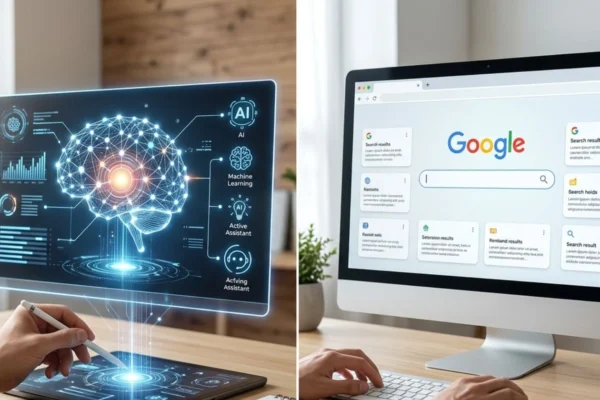
AI and Google Search serve different needs in 2026. This guide compares both across accuracy, recency, and use cases to help you use each effectively.

Major AI systems from Google, Apple, Microsoft, and OpenAI now scan personal emails to power features. New 2026 updates made it worse. These steps stop every single one cold.

Quantum computers, engineered living systems, and direct brain interfaces are maturing faster than AI did. These fields will redefine medicine, energy, and human capability within the decade.
The week of 21st–27th June 2026 delivered one of the most consequential stretches of AI news in recent memory, driven by a stunning talent exodus from Google DeepMind, a landmark acquisition in agentic coding, and a cluster of major infrastructure funding rounds that signal where enterprise AI capital is flowing next. Key headlines this week:…