

AI’s Grip on Creativity: Redefining Ownership in the Digital Age
Artificial intelligence reshapes creative ownership through generative tools, legal debates on authorship, and emerging solutions for intellectual property protection.

Artificial intelligence reshapes creative ownership through generative tools, legal debates on authorship, and emerging solutions for intellectual property protection.

Artificial intelligence drives unprecedented innovation but consumes vast energy, equivalent to powering entire cities. Projections show data centers could double electricity use by 2030, highlighting the need for efficient technologies and renewable integration to balance progress with sustainability.

AI-native startups redefine business with AI at their core, driving scalability, personalization, and innovation across industries in 2025.
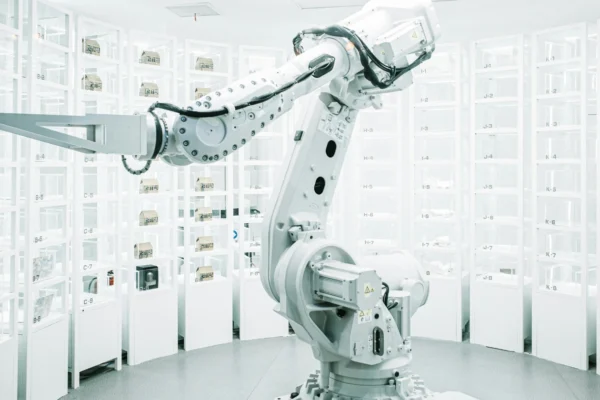
Artificial intelligence emerges as a powerhouse set to overhaul 10 major industries by 2030, contributing trillions to the global economy through automation, enhanced decision-making, and novel applications in areas such as healthcare, finance, and transportation.
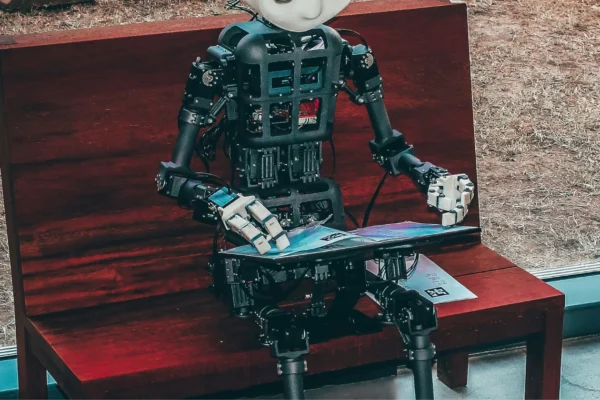
AI upskilling in 2026 empowers professionals to boost productivity, secure jobs, and lead innovation by mastering tools like machine learning and NLP.
OpenAI’s $1 trillion in AI deals with Nvidia, AMD, and Oracle aims to power ChatGPT and Sora, but circular investments spark concerns of an AI bubble.

Data poisoning enables attackers to compromise AI models with just 250 malicious documents, embedding hidden triggers that disrupt behavior across all model sizes.

Meta’s metaverse team is directed to leverage AI for a fivefold productivity increase, with 80% of employees expected to integrate AI by year-end, raising concerns about code quality and job impacts.
Datacurve, a Y Combinator alum, raises $15 million to fuel its bounty system for sourcing elite coding data, positioning it as a fresh rival to Scale AI amid surging demand for sophisticated AI training resources.

Google rolls out Gemini Enterprise, bundling advanced AI models with pre-built agents to automate workflows in large firms. At $30 per user monthly, it connects company data across tools, driving efficiency gains for retailers and banks.