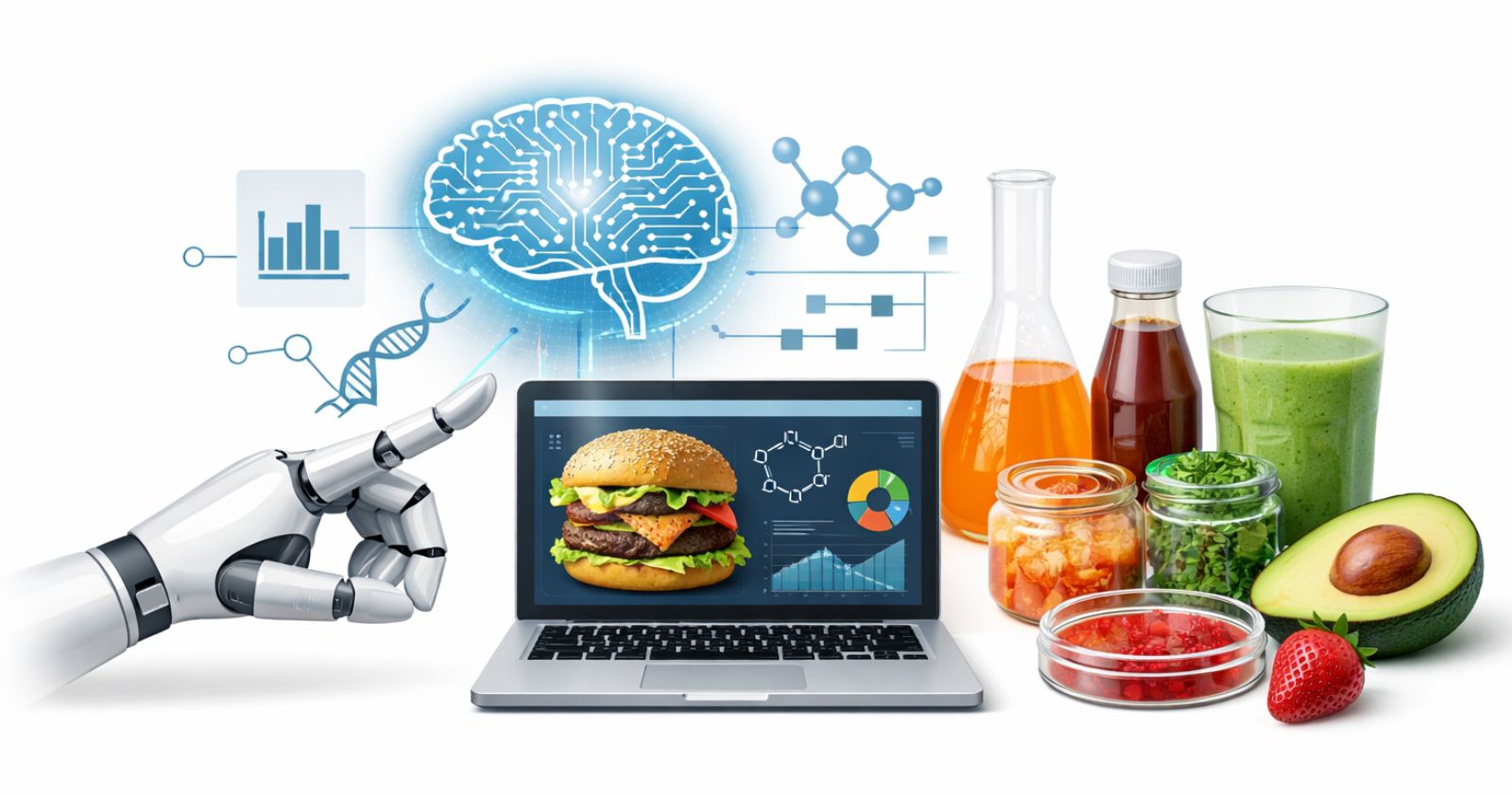
Biomedical research stands at the threshold of a profound shift, driven by artificial intelligence that sifts through mountains of data to uncover patterns invisible to the human eye. This fusion of technology and science accelerates the pace of innovation, turning what once took years into processes that unfold in months.
Researchers now harness machine learning algorithms to predict protein structures, simulate clinical trials, and personalize treatments, all while grappling with the ethical nuances of such power. The result promises not just faster cures but a deeper grasp of human biology itself.
Consider the sheer scale: genomic sequencing generates terabytes of information daily, far beyond what traditional methods can handle. AI steps in as a tireless collaborator, identifying genetic markers linked to diseases like cancer or Alzheimer’s with unprecedented precision.
Recent advancements, such as deep learning models that analyze electron microscope images, have revealed molecular interactions that could redefine drug design. These tools do more than crunch numbers; they inspire hypotheses that guide experiments, fostering a symbiotic relationship between human intuition and computational might.
Yet this evolution raises questions about accessibility. While leading institutions benefit from cutting-edge AI platforms, smaller labs in underserved regions lag behind, highlighting a digital divide in global health efforts.
As investments pour in—reaching billions in 2025 alone—the focus sharpens on equitable deployment. Stories emerge of AI aiding rare disease diagnosis in remote clinics, proving its potential to bridge gaps. This dynamic landscape invites optimism tempered by responsibility, where every algorithm refined brings society closer to eradicating longstanding health threats.
Tracing Roots: The Rise of AI in Science
Artificial intelligence entered biomedical realms quietly in the late twentieth century, with early neural networks classifying medical images.
By the 2010s, breakthroughs like AlphaFold’s protein folding predictions marked a turning point, compressing decades of work into days. Today, in 2025, AI permeates every stage, from hypothesis generation to validation.
Early Milestones That Sparked Change
The journey began with simple pattern recognition in X-rays, evolving into complex simulations of cellular behavior. A pivotal moment came in 2020 when AI models outperformed experts in detecting diabetic retinopathy from retinal scans. These wins built momentum, drawing venture capital and talent to the field.
Momentum in the 2020s
Post-pandemic, urgency-fueled adoption. COVID-19 vaccine development showcased AI’s speed in variant tracking and antibody design. Funding surged, with the National Institutes of Health allocating over $1 billion annually to AI-biomed initiatives by 2025. This era solidified AI as indispensable, not optional.
Core Applications: Where AI Meets Biology
AI transforms biomedical research by embedding itself into diverse workflows, from lab benches to data archives. Its versatility shines in tackling multifaceted problems, yielding insights that propel therapies forward.
Drug Discovery: Faster Paths to New Medicines
Traditional drug hunts span 10 to 15 years and cost billions, often ending in failure. AI slashes timelines by screening virtual compound libraries exceeding a trillion molecules. For instance, generative models now design novel compounds tailored to target proteins, boosting success rates by 30 percent in early phases.
In 2024, AI-driven platforms identified potential antivirals in weeks, a feat that would have taken years manually. This efficiency stems from reinforcement learning, which iterates designs based on simulated outcomes.
Virtual Screening and Hit Identification
Algorithms prioritize candidates by predicting binding affinities, reducing animal testing needs. Companies report 50 percent cost savings here, allowing focus on high-potential leads.
De Novo Design: Creating from Scratch
Beyond selection, AI invents molecules. Diffusion models, inspired by image generation, craft structures with desired properties, revolutionizing antibiotic development against resistant strains.
Genomics and Personalized Medicine
Sequencing costs plummeted from $100 million per genome in 2001 to under $600 today, flooding labs with data. AI parses this deluge, spotting mutations tied to hereditary conditions.
A landmark finding: Machine learning clusters patient genomes to forecast disease progression, enabling preemptive interventions. In oncology, AI stratifies tumors by molecular profiles, matching therapies to individuals with 85 percent accuracy.
CRISPR Editing Guided by Intelligence
AI optimizes guide RNAs for precise gene edits, minimizing off-target effects. Recent trials show 40 percent improved efficiency in sickle cell corrections.
Imaging and Diagnostics: Seeing the Unseen
Medical imaging generates vast datasets, where AI excels in anomaly detection. Convolutional neural networks segment tumors in MRIs faster than radiologists, with error rates below 5 percent.
A 2025 study revealed AI-assisted ultrasound diagnoses reduced false positives by 25 percent in breast cancer screening. This not only saves lives but eases clinicians’ workloads.
Predictive Modeling in Pathology
Beyond detection, AI forecasts tissue responses to treatments, aiding surgical planning. Histopathology slides, digitized and analyzed, yield prognostic scores that inform care decisions.
Unlocking Benefits: Facts That Fuel Progress
The advantages of AI in biomedical research ripple across healthcare, from efficiency gains to life-saving precision. Adoption rates among physicians hit two-thirds in 2025, up 78 percent from prior years, signaling broad trust.
Speed and Scale: Handling the Data Deluge
Biomedical datasets double every few months, overwhelming manual analysis. AI processes petabytes in hours, uncovering correlations like environmental factors in autoimmune disorders.
Key finding: AI agents now automate hypothesis testing, executing experiments via robotic labs and iterating based on results. This closed-loop system has accelerated discoveries in neurodegeneration research by 60 percent.
Precision and Prediction: Tailoring Treatments
Personalized medicine thrives on AI’s predictive prowess. Models integrate multi-omics data—genetics, proteomics, metabolomics to simulate patient responses, cutting trial failures.
Benefit highlight: In rare diseases, AI sifts electronic health records to match cohorts, speeding enrollment and yielding therapies for conditions affecting fewer than 200,000 Americans.
Cost Savings and Accessibility
Development expenses drop as AI minimizes wet-lab trials. A 2025 report estimates $50 billion annual savings industry-wide, freeing resources for global health equity.
Navigating Hurdles: Challenges in the AI Era
Despite triumphs, AI’s integration stirs concerns that demand careful navigation. Data privacy tops the list, with breaches risking sensitive genetic information.
Bias and Equity Issues
Algorithms trained on skewed datasets perpetuate disparities; for example, underrepresentation of minority groups leads to 20 percent higher error rates in skin cancer detection for darker tones.
Addressing this requires diverse data pipelines and audits, yet progress lags in low-resource settings.
Regulatory and Ethical Frontiers
FDA approvals for AI tools rose 40 percent in 2025, but evolving standards lag innovation. Ethical dilemmas, like AI autonomy in decisions, prompt calls for transparent “black box” explanations.
Over-reliance on AI could erode clinical skills, with surveys showing 15 percent of doctors fearing deskilling.
Technical Barriers
Computational demands strain infrastructure, especially for small teams. Interoperability across platforms remains patchy, hindering collaborative efforts.
Horizons Ahead: The Future of AI-Driven Science
Looking to 2030, AI promises autonomous labs where agents design, test, and refine therapies end-to-end. Brain-computer interfaces, enhanced by AI, could restore functions in paralyzed patients.
Emerging trends include federated learning, training models on decentralized data to preserve privacy. Quantum computing hybrids may simulate full organ systems, revolutionizing transplant research.
Optimism abounds: Projections forecast AI contributing to 50 percent of new drugs by decade’s end. Yet success hinges on interdisciplinary collaboration, blending tech with biology’s nuances.
Top 10 Companies Shaping AI Biomedical Research
Pioneers in this space drive innovation through proprietary platforms and bold partnerships. These firms exemplify AI’s commercial viability, blending algorithms with domain expertise.
| Company | Core Focus | Key Achievement (2025) |
|---|---|---|
| Insilico Medicine | Drug discovery via generative AI | Advanced INS018_055 to Phase 2 for fibrosis, halving design time |
| Tempus | Oncology data analytics | Analyzed 7 million patient records for precision trials |
| Atomwise | Molecular screening | Identified 100+ hits for rare diseases in months |
| Exscientia | AI-optimized clinical candidates | First AI-designed drug in Phase 1 trials |
| PathAI | Pathology diagnostics | Reduced biopsy errors by 30% in global labs |
| Recursion Pharmaceuticals | Phenomics and cellular imaging | Mapped 1 billion cells for 20+ disease models |
| BenevolentAI | Knowledge graphs for hypotheses | Repurposed drugs for ALS, accelerating approvals |
| Schrödinger | Physics-based simulations | Predicted 500 protein-ligand interactions accurately |
| Isomorphic Labs | Protein structure prediction | Collaborated on 10 novel therapeutics |
| insitro | Multi-omics integration | Developed kidney disease models with 90% predictive power |
These entities raised over $5 billion in funding in recent years, fueling scalable solutions.
Key Conclusion and Analysis
The fusion of artificial intelligence and biomedical research heralds an era where diseases once deemed intractable yield to targeted solutions, reshaping lives on a global scale as algorithms evolve to mirror the intricacies of human biology, the pace of discovery quickens, promising therapies that adapt in real time to individual needs.
This progress, however, underscores the imperative for vigilant stewardship, ensuring innovations serve all, not just the privileged few. Stakeholders from policymakers to practitioners must collaborate to mitigate risks, fostering environments where AI amplifies ethical science. In this unfolding narrative, the potential for eradicating pandemics, conquering cancers, and extending healthy lifespans feels tantalizingly close.
The coming years will test resolve, but with deliberate steps, society stands poised to harvest a bounty of health breakthroughs that echo across generations, affirming technology’s role as humanity’s steadfast ally in the quest for well-being.
Frequently Asked Questions
What Exactly Is AI in Biomedical Research?
AI in biomedical research refers to computational systems that analyze biological data to generate insights, from predicting disease mechanisms to designing interventions. It leverages machine learning to process complex datasets efficiently.
How Does AI Speed Up Drug Discovery?
AI screens vast chemical libraries virtually, predicts efficacy, and optimizes molecules, cutting development from 12 years to under five in some cases. This reduces costs and boosts hit rates.
Can AI Replace Human Researchers?
No, AI augments human efforts by handling repetitive tasks, allowing scientists to focus on creative problem-solving. Collaboration yields the best outcomes.
What Are Common Challenges with AI Tools?
Challenges include data bias, privacy risks, and interpretability issues. Solutions involve diverse training data and regulatory oversight.
How Is AI Used in Genomics?
AI identifies genetic variants, assembles sequences, and predicts phenotypic effects, enabling personalized medicine advancements.
What Role Does AI Play in Medical Imaging?
It enhances image analysis for faster, more accurate diagnoses, such as detecting tumors in CT scans with 95 percent sensitivity.
Are There Ethical Concerns in AI Biomedical Applications?
Yes, concerns span consent, equity, and accountability. Frameworks emphasize transparency and inclusive development.
How Has AI Impacted Rare Disease Research?
AI matches patients to trials via pattern recognition in records, accelerating therapies for conditions like cystic fibrosis.
What Future Innovations Does Biomedicine Expect from AI?
Expect AI-driven autonomous labs and quantum-enhanced simulations, potentially curing complex ailments like Parkinson’s.
How Can Labs Adopt AI Without High Costs?
Start with open-source tools like TensorFlow, partner with cloud providers, and train staff through accessible programs.