Pet ownership brings joy, companionship, and a fair share of worry, especially in a world where schedules fill up fast. Imagine checking in on a playful puppy or a curious kitten from across the globe, knowing everything unfolds just right at home.
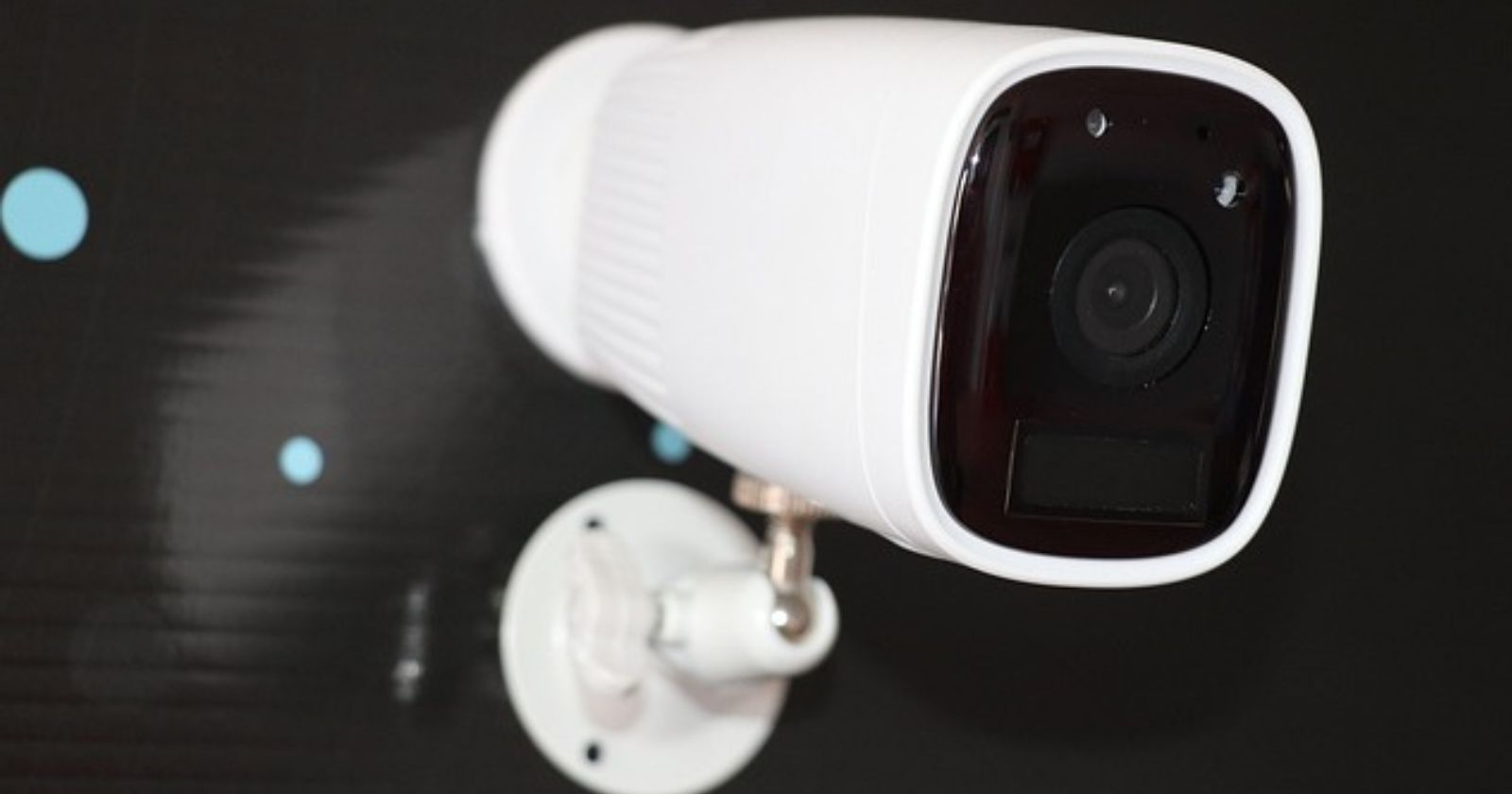
AI pet cameras make this reality possible, blending cutting edge technology with the simple need to stay connected. These devices go beyond basic video feeds, harnessing artificial intelligence to interpret pet behaviors, send timely notifications, and even engage in fun interactions.
As more households adopt pets, the demand for such tools surges, with the smart pet camera market projected to reach 3.12 billion dollars in 2025, up from 2.73 billion the previous year.
What sets these cameras apart lies in their ability to understand the nuances of animal life. A wag of the tail or a sudden bark triggers specific responses, like a treat drop or a soothing voice message.
Owners report feeling less anxious, with studies showing that remote monitoring reduces separation stress by up to 40 percent for both pets and people. This tech evolves from simple security cams into dedicated pet companions, integrating seamlessly with daily routines.
Busy professionals, traveling families, and even seniors find value in the constant vigilance these cameras provide, turning ordinary absences into opportunities for positive reinforcement.
The rise of AI in pet care reflects broader trends in smart homes, where convenience meets empathy. With features like night vision and two way audio, these cameras capture every moment in crystal clear detail.
Market analysts predict a compound annual growth rate of 12.6 percent for pet monitoring devices through 2030, driven by innovations in AI accuracy and affordability. As pets become family members, tools that enhance their safety and happiness gain traction, fostering deeper bonds even from afar. This shift not only eases daily stresses but also opens doors to proactive health insights, making pet parenting smarter and more rewarding.
Why AI Pet Cameras Stand Out in Modern Homes
Core Features That Define Smart Monitoring
AI pet cameras pack a punch with essentials that cater to diverse needs. High resolution video, often in 1080p or 4K, ensures sharp images day or night, thanks to advanced night vision capabilities. Two way audio lets owners chat with their pets, calming nerves during alone time.
Motion detection, powered by AI algorithms, distinguishes between harmless play and potential issues, sending push notifications to smartphones instantly.
Treat dispensing emerges as a favorite perk, allowing remote rewards for good behavior. Devices like these use mechanical launchers to toss kibble or snacks, promoting training from anywhere.
Cloud storage preserves footage for review, while local options via SD cards offer privacy focused alternatives. Integration with voice assistants such as Amazon Alexa or Google Assistant adds hands free control, making interactions effortless.
Battery life and setup simplicity matter too. Many models run on rechargeable batteries lasting weeks, with magnetic mounts for easy placement. Waterproof designs suit outdoor use, monitoring yard adventures without worry. These features combine to create a robust system, where AI learns pet patterns over time, refining alerts for greater precision.
The Role of Artificial Intelligence in Behavior Analysis
Artificial intelligence elevates pet cameras from passive watchers to active interpreters. Machine learning models analyze video feeds to recognize activities like eating, sleeping, or exercising. This data helps spot irregularities, such as reduced movement that might signal health concerns.
For instance, algorithms detect excessive barking and notify owners, potentially averting noise complaints or distress.
Facial recognition technology identifies specific pets in multi animal homes, tailoring alerts accordingly. Some systems track vital signs indirectly through activity levels, flagging lethargy for veterinary follow up.
Privacy remains paramount, with end to end encryption protecting streams from unauthorized access. As AI advances, expect deeper insights, like mood detection based on tail wags or ear positions, enhancing emotional connections.
Key fact: According to industry reports, AI driven pet cams reduce false alerts by 70 percent compared to traditional motion sensors, saving owners time and frustration. This efficiency stems from contextual understanding, where the system differentiates a toy chase from an intruder approach. Such sophistication builds trust, encouraging widespread adoption among tech savvy pet enthusiasts.
Benefits Beyond the Basics for Pet Owners
Easing Separation Anxiety and Building Trust
Separation anxiety affects up to 20 percent of dogs, manifesting in destructive chewing or vocal distress. AI pet cameras counter this by enabling real time interventions, like voice reassurance or treat rewards. Pets learn that absences bring positive outcomes, gradually reducing stress responses.
Owners gain confidence too, viewing live feeds that confirm all is well, which lowers their own worry levels during long days.
Interactive elements, such as laser pointers or ball launchers, keep pets engaged, combating boredom that leads to mischief. Regular check ins foster routine, signaling that connection persists despite distance. Over time, this builds resilience in pets, making transitions smoother for everyone involved.
Health and Safety Monitoring in Real Time
Proactive health tracking forms the backbone of modern pet care. AI cameras monitor eating habits, alerting to skipped meals that could indicate illness.
Activity logs reveal exercise patterns, helping owners adjust diets or play schedules accordingly. Temperature sensors in some models warn of overheating during hot spells, crucial for brachycephalic breeds prone to respiratory issues.
Safety features extend to hazard detection, like identifying open doors or unfamiliar visitors. Integration with smart locks allows remote access control, ensuring secure environments.
A notable finding from recent surveys: 65 percent of users credit AI cams with early illness detection, leading to timely vet visits and better outcomes. This preventive approach shifts pet care from reactive to forward thinking.
Cost Savings and Long Term Value
Initial investments in AI pet cameras range from 50 to 300 dollars, but savings accumulate quickly. Reduced vet bills from early warnings offset costs within months.
Energy efficient designs minimize electricity use, while durable builds last years with minimal maintenance. Subscription plans for cloud features, around 5 to 10 dollars monthly, unlock premium analytics without breaking budgets.
Compared to hiring pet sitters, these devices offer unmatched affordability, especially for frequent travelers. Bulk treat refills and app based controls eliminate extra trips, streamlining upkeep. In essence, the return on investment proves substantial, blending financial smarts with emotional gains.
Spotlight on the Top 10 AI Pet Camera Companies
The landscape of AI pet cameras thrives with innovative leaders pushing boundaries. These companies blend hardware prowess with software smarts, delivering products that resonate with pet lovers worldwide. From treat tossing pioneers to robotic companions, each brings unique strengths to the table.
To compare offerings, consider the table below, highlighting key specs across the top contenders.
| Company | Key Model | Resolution | Treat Dispensing | AI Features | Price Range (USD) | Battery Life |
|---|---|---|---|---|---|---|
| Furbo | Furbo 360 Dog Camera | 1080p | Yes | Bark Detection, Night Vision | 150-200 | N/A (Plugged) |
| Petcube | Bites 2 | 1080p | Yes | Laser Toy, Sound Alerts | 100-150 | N/A (Plugged) |
| Pawbo | Pawbo+ | 720p | Yes | 360° Rotation, Health Tracking | 120-180 | N/A (Plugged) |
| Wyze | Wyze Cam Pet | 1080p | No | Pet Detection, Cloud History | 30-50 | Up to 6 months |
| Eufy (Anker) | Eufy PetCam | 2K | Yes | Dual Lens, Temp Monitoring | 80-120 | Up to 4 months |
| Arlo | Arlo Pet Camera | 4K | No | Object Recognition, Spotlight | 150-250 | Up to 6 months |
| Kasa (TP-Link) | Kasa Pet Camera | 1080p | No | Pan/Tilt Tracking, Activity Zones | 40-60 | N/A (Plugged) |
| Skymee | Skymee Owl Robot | 1080p | Yes | Mobile Robot, Obstacle Avoidance | 100-150 | Up to 8 hours |
| Enabot | Ebo X | 1080p | No | Facial Recognition, Autonomous Movement | 200-300 | Up to 5 hours |
| PetChatz | PetChatz HD | 1080p | Yes | Scent Release, Interactive Games | 180-220 | N/A (Plugged) |
Furbo: Treat Tossing Trailblazers
Furbo leads with its signature treat tossing mechanism, perfect for rewarding distant pets. Based in Taiwan, the company focuses on dog specific designs, incorporating FDA cleared telehealth links for quick vet consults.
Users praise the 160 degree wide angle lens and Alexa integration, which enable voice activated fun. With over a million units sold globally, Furbo sets the standard for interactive monitoring.
Petcube: Playful Innovations from San Francisco
Petcube excels in engagement, offering laser pointers and dual motor treat dispensers in models like Bites 2. Headquartered in the USA, it emphasizes vet designed games via iOS and Android apps.
Cloud recording captures every antics, while emergency vet services add peace of mind. Compact and Alexa compatible, these cameras fit seamlessly into urban apartments.
Pawbo: Rotational Mastery for Multi Room Views
From Taiwan, Pawbo delivers 360 degree rotation in its Pawbo+ model, ideal for larger spaces. Noise cancelling audio ensures clear communication, paired with a pet social network app for sharing moments. Health tools track eating and sleeping, providing data driven insights. The vacuum sealed treat compartment keeps snacks fresh, enhancing reliability.
Wyze: Budget Friendly AI Detection
Wyze, out of Seattle, democratizes smart tech with affordable options like the Wyze Cam Pet. AI differentiates pets from people, offering free cloud history for two weeks.
Night vision and SD card storage appeal to privacy conscious users, with Google and Alexa support broadening appeal. At under 50 dollars, it proves high quality need not cost a fortune.
Eufy by Anker: Dual Lens Precision
Chinese innovator Eufy brings dual camera systems to the PetCam, combining wide and telephoto views. Treat launchers adjust distances, while self learning AI adapts to pet habits. AES 256 encryption secures data, and environmental sensors monitor air quality. This blend of security and smarts makes it a top choice for comprehensive coverage.
Arlo: 4K Clarity for Detailed Surveillance
Arlo’s California roots shine in 4K HDR imaging, capturing fine details even at night with color vision. Magnetic mounts allow versatile positioning, and smart sirens deter mischief. Object detection filters alerts effectively, integrating spotlights for enhanced visibility. Premium builds justify the investment for discerning owners.
Kasa by TP-Link: Seamless Smart Home Ties
TP Link’s Kasa line features pan tilt tracking, following pets across rooms. Custom zones minimize unnecessary pings, and crying detection soothes anxious moments. Whole home integration with other Kasa devices creates unified ecosystems. Affordable and user friendly, it suits beginners in smart tech.
Skymee: Robotic Mobility Redefined
Skymee’s Owl Robot rolls around homes, dispensing treats while navigating obstacles. Real time patrols and auto charging keep it operational, with remote control via apps. This mobility adds a fun, dynamic element to monitoring, especially for active breeds that roam widely.
Enabot: Autonomous Companions with Recognition
Enabot’s Ebo X uses facial recognition for up to five pets, learning behaviors for personalized interactions. Spherical design glides over floors, with LED lights signaling moods. 3D sensing avoids bumps, making it a true companion rather than static observer.
PetChatz: Sensory Engagement Experts
PetChatz introduces scent release for calming effects during calls, alongside self cleaning touchscreens. Interactive games fight boredom, and air purifiers maintain fresh environments. This multi sensory approach deepens bonds, appealing to owners seeking holistic care solutions.
Navigating Choices: How to Pick the Perfect AI Pet Camera
Assessing Needs Based on Pet Type and Lifestyle
Dog owners might prioritize treat dispensers for high energy pups, while cat enthusiasts favor laser toys for independent play. Consider home size; pan tilt models suit open layouts, whereas fixed cams work for cozy spots. Lifestyle factors like travel frequency influence battery versus plugged options. Matching features to habits ensures optimal use.
Budget Breakdown and Subscription Realities
Entry level cams start at 30 dollars, offering core monitoring without frills. Mid range, 100 to 200 dollars, unlocks AI depth and interactions. Premium tiers exceed 200 dollars for robotics or 4K. Subscriptions enhance value with unlimited storage but evaluate necessity against free tiers.
Installation Tips and Compatibility Checks
Quick setup involves Wi Fi connection and app downloads, often under 10 minutes. Verify network strength for smooth streaming, and test placements for full coverage. Ensure compatibility with existing smart ecosystems to avoid silos. User reviews highlight real world performance, guiding informed decisions.
Glimpsing the Future: AI Evolutions in Pet Tech
Advancements promise even smarter integrations, like VR play sessions or AI therapists for behavioral coaching. Partnerships with vets could enable direct diagnostics via camera feeds. Sustainability drives eco friendly materials and energy harvesting.
As the AI pet camera market grows by over 1 billion dollars by 2032 at a 9.85 percent CAGR, expect broader accessibility and refined user experiences. These trajectories point to a era where pets enjoy enriched lives, supported by tech that anticipates needs.
Key Conclusion and Analysis
In a fast paced existence where pets hold irreplaceable spots in hearts and homes, AI pet cameras emerge as indispensable allies, weaving technology into the fabric of care with grace and precision. These devices transcend mere gadgets, becoming extensions of affection that bridge gaps created by distance and demands. From the joyful toss of a treat that elicits a delighted leap to the subtle alert of a quiet afternoon signaling restful peace, every feature underscores a commitment to well being.
As innovations continue to unfold, the horizon brims with possibilities: imagine cameras that not only watch but whisper encouragements tailored to individual quirks, or networks that connect pet parents globally for shared wisdom. The evidence mounts in glowing testimonials and surging sales figures, affirming that such tools do more than monitor; they nurture, protect, and celebrate the unique spirits of animal companions.
Embracing this fusion of intelligence and intuition promises not just safer spaces but richer narratives of loyalty and love, inviting every owner to step into a future where no tail wag or whisker twitch goes unnoticed. With the pet monitoring market poised to double by 2030, the invitation stands clear: equip homes with these vigilant sentinels and watch bonds deepen in ways once only dreamed.
Frequently Asked Questions
What is an AI pet camera?
An AI pet camera is a smart device that uses artificial intelligence to monitor pets remotely, featuring video streaming, motion alerts, and interactive tools like treat dispensers.
How does AI improve pet camera functionality?
AI analyzes behaviors to send accurate notifications, recognizes specific pets, and learns patterns for personalized alerts, reducing false alarms significantly.
Are AI pet cameras safe for privacy?
Yes, reputable models employ end to end encryption and optional local storage to protect footage from unauthorized access.
What features should beginners look for?
Start with 1080p resolution, two way audio, night vision, and basic motion detection for reliable entry level monitoring.
Do all AI pet cameras require subscriptions?
No, many offer free basic access, but subscriptions unlock cloud storage and advanced AI analytics for deeper insights.
Can AI pet cameras help with pet training?
Absolutely, remote treat rewards and voice commands reinforce positive behaviors, aiding consistent training efforts.
How accurate is AI in detecting pet health issues?
Modern systems detect activity changes with 80 to 90 percent accuracy, flagging potential concerns for owner review.
What is the average battery life for wireless models?
Most last 4 to 6 months on a charge, depending on usage, with low power modes extending runtime.
Are there AI pet cameras for outdoor use?
Yes, weatherproof designs with wide angles monitor yards, integrating with home security for comprehensive coverage.
How has the AI pet camera market grown recently?
The sector expanded to 3.12 billion dollars in 2025, with projections for 12.6 percent annual growth through 2030, fueled by tech innovations.