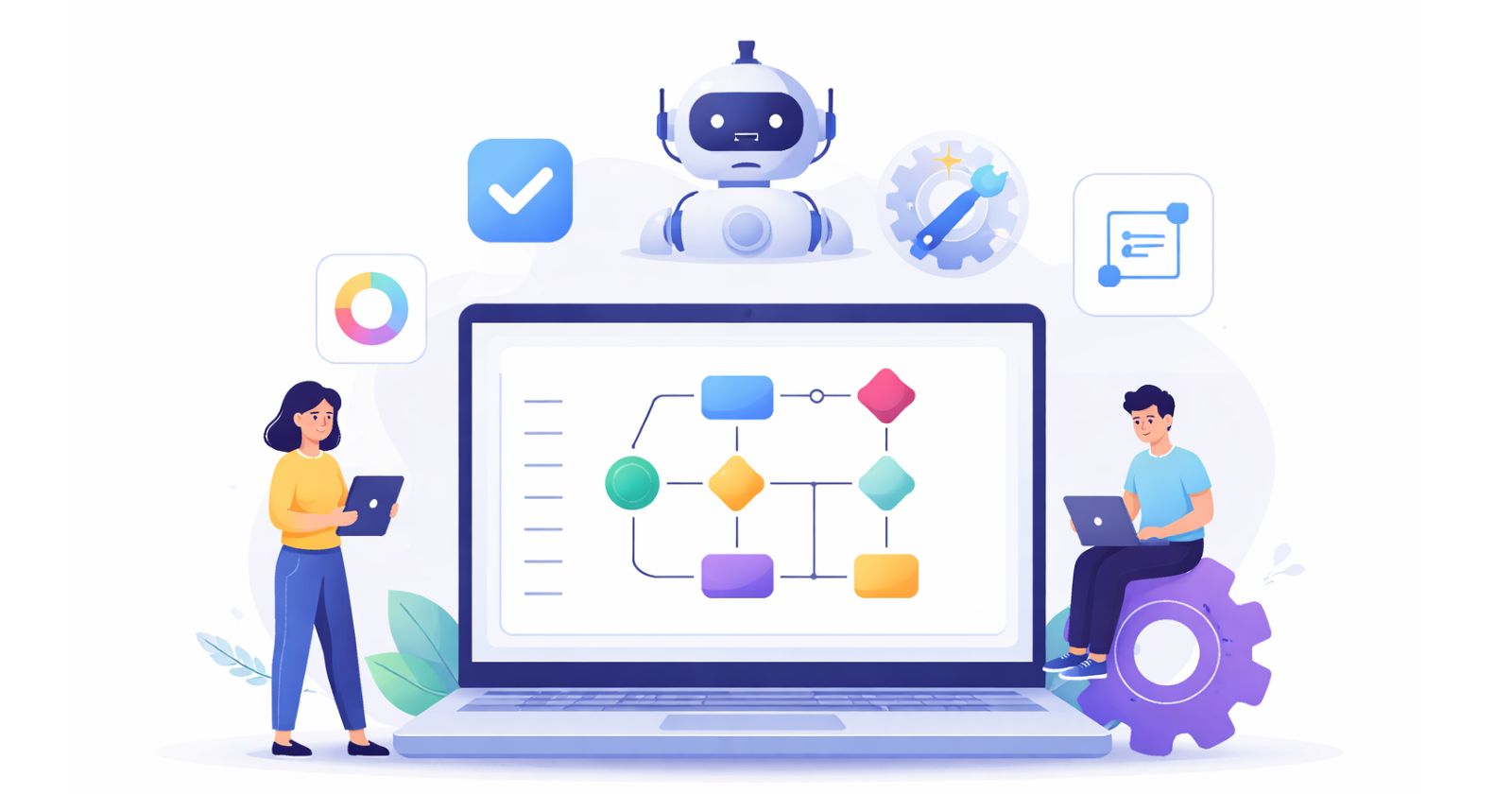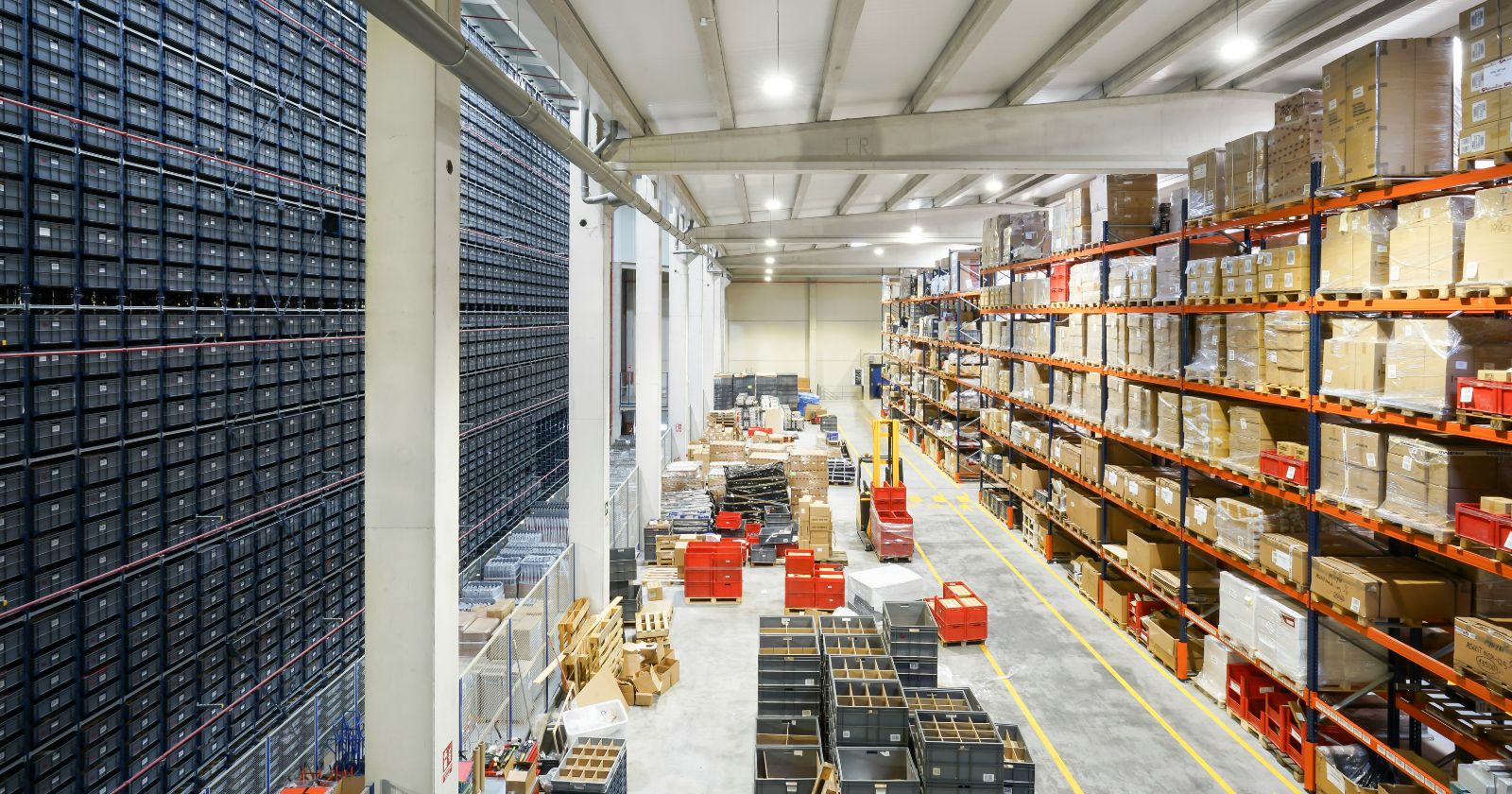
Warehouses stand as the unsung heroes of global commerce, pulsing with the rhythm of orders that fuel economies worldwide. In 2025, these vast spaces evolve beyond mere storage hubs into dynamic ecosystems where artificial intelligence orchestrates every movement.
AI in warehouse layout and inventory automation emerges as the game-changer, weaving predictive insights into the fabric of daily operations. Facilities once constrained by rigid floor plans now adapt in real time, minimizing wasted space and maximizing throughput. This shift promises not just incremental gains but a fundamental reimagining of how goods flow from supplier to shelf.
Consider the sheer scale: the global AI in warehousing market surges toward $11.22 billion by 2030, growing at a compound annual rate of 26.1 percent, according to recent industry analyses. Such momentum reflects a broader imperative for efficiency amid rising e-commerce demands and supply chain disruptions.
AI algorithms analyze vast datasets—from seasonal sales spikes to geopolitical ripples—to redesign layouts that prioritize high-velocity items near loading docks. Inventory automation follows suit, deploying sensors and machine learning to track stock with pinpoint accuracy, slashing errors that once plagued manual counts. These advancements turn potential bottlenecks into seamless pathways, ensuring products reach consumers faster and fresher.
Yet the true magic lies in the human element amplified by technology. Workers, freed from rote tasks like endless aisle treks, pivot to strategic roles that demand creativity and oversight. Safety improves as AI anticipates hazards, from cluttered pathways to equipment fatigue, fostering environments where productivity soars without burnout.
As supply chains face unprecedented volatility, from climate events to trade shifts, AI in warehouse layout and inventory automation equips operations to thrive. This era marks a pivot point, where intelligence embedded in every corner elevates warehouses from cost centers to competitive edges.
Smart Designs: Crafting Adaptive Warehouse Blueprints
Zoning for Speed: How AI Maps Optimal Flows
Effective warehouse layouts hinge on understanding movement patterns, a challenge AI tackles with elegant precision. Traditional designs often rely on static zoning, grouping items by category regardless of demand velocity.
AI flips this script by employing graph-based algorithms to simulate traffic, identifying zones that reduce picker travel by up to 30 percent. For instance, high-turnover goods like electronics cluster near entry points, while seasonal stock tucks away in expandable bays.
This zoning extends to vertical space utilization, where AI-driven simulations stack shelves dynamically. Software from providers like Dematic uses computer vision to scan existing structures, suggesting retrofits that boost capacity without major overhauls.
Key fact: facilities adopting such AI optimizations report a 25 percent drop in fulfillment times, per Supply Chain Dive reports. Transitions between zones become fluid, guided by augmented reality overlays on worker devices that highlight shortest paths.
Bottleneck Breakers: Predictive Adjustments in Real Time
Static layouts falter under peak loads, but AI introduces agility through continuous monitoring. IoT sensors embedded in floors and racks feed data to central models that predict congestion hours ahead. When a surge in orders looms—say, Black Friday prep—AI reallocates space, shifting low-demand pallets to off-peak areas. This proactive stance prevents the domino effect of delays, ensuring steady output.
Integration with enterprise systems amplifies these gains. AI cross-references layout data with ERP feeds, automating adjustments that align with broader supply goals. A study by Logistics Management highlights how such systems cut operational downtime by 15 percent, transforming potential crises into managed ebbs and flows.
Inventory Mastery: From Chaos to Crystal-Clear Control
Forecasting Futures: AI’s Edge in Demand Prediction
Inventory automation thrives on foresight, and AI delivers it through sophisticated predictive analytics. By sifting historical sales, weather patterns, and social media trends, models forecast needs with 95 percent accuracy—far surpassing human estimates. Walmart’s AI tools, for example, analyze multifaceted factors to position stock optimally, minimizing excess that ties up capital.
This capability extends to just-in-time replenishment, where AI signals suppliers milliseconds after detecting dips. The result? Leaner stocks that free up 20 percent more floor space, as noted in Forbes analyses. Such precision not only curbs overstock but also fortifies resilience against disruptions like port delays.
Tracking Triumphs: Seamless Real-Time Visibility
Gone are the days of clipboard audits; AI-powered RFID and vision systems provide omnipresent oversight. Drones and autonomous mobile robots (AMRs) patrol aisles, scanning barcodes and updating ledgers instantly. Amazon’s DeepFleet, an AI model coordinating over a million robots, exemplifies this by slashing travel times by 10 percent through intelligent routing.
Error rates plummet—down 40 percent in automated setups, according to industry benchmarks—while compliance with regulations strengthens via immutable digital trails. Workers access this visibility via intuitive dashboards, empowering quick decisions that keep inventory humming.
Tech Arsenal: Tools Driving the Automation Wave
Robotic Allies: Swarm Intelligence on the Floor
Swarm robotics represents a pinnacle of AI in warehouse layout, where fleets of AMRs collaborate like a hive mind. Locus Robotics’ platforms, praised in recent X discussions, dynamically assign tasks, boosting throughput twofold without extra hires. These bots navigate via LiDAR and AI pathfinding, adapting layouts on the fly to avoid collisions.
Key finding: implementations yield 2-3 times higher productivity, as detailed in Supply Chain 24/7 whitepapers. Safety protocols embedded in the software ensure human-robot harmony, with virtual fences that adjust in milliseconds.
Software Symphonies: Integrating AI Ecosystems
Core to inventory automation are warehouse management systems (WMS) infused with machine learning. Tools like Fishbowl Inventory leverage natural language processing for voice-directed picking, reducing training times by half. Integration with cloud platforms enables scalable analytics, where AI uncovers patterns invisible to the naked eye.
Comparative Analysis of Traditional Warehouse Management versus AI-enhanced systems
| Aspect | Traditional Warehouse Management | AI-Enhanced Automation |
|---|---|---|
| Layout Optimization | Manual zoning, static plans | Dynamic simulations, 30% space gain |
| Inventory Accuracy | Periodic counts, 5-10% error | Real-time tracking, <1% error |
| Demand Forecasting | Historical averages, 70% accuracy | Predictive models, 95% accuracy |
| Labor Efficiency | Fixed roles, high fatigue | Task allocation, 25% productivity boost |
| Scalability | Costly expansions | Cloud-based, seamless growth |
This comparison underscores AI’s transformative ROI, with payback periods shrinking to under a year in many cases.
Case Studies: Proof in the Pallet
Amazon’s DeepFleet: Scaling Intelligence at Gigascale
Amazon’s fulfillment centers epitomize AI in warehouse layout and inventory automation. DeepFleet, launched in mid-2025, harnesses generative AI to orchestrate robot swarms, learning from petabytes of movement data. CEO Andy Jassy highlighted on X how this cuts delivery costs while elevating worker roles to oversight.
Outcomes include 15 percent faster order cycles and safer floors, with robots handling 70 percent of heavy lifts. This model influences peers, proving AI’s viability across scales.
Walmart’s Vision: Quality and Speed Synced
Walmart deploys computer vision AI for inbound checks, flagging defects like expired produce before shelving. As shared in Supply Chain Dive, this integrates with forecasting to optimize inventory placement, reducing safety stock by 20 percent. Warehouses report 25 percent higher throughput during peaks, blending AI with human expertise for holistic gains.
Hurdles to Heights: Overcoming Adoption Barriers
Data Dilemmas: Ensuring Clean Inputs
AI falters on poor data, yet solutions abound. Initial audits paired with federated learning—where models train across sites without centralizing sensitive info—build robust foundations. Training programs, as recommended by Forbes Councils, upskill teams, turning skeptics into advocates.
Cost Conundrums: Phased Rollouts Pay Off
Upfront investments daunt many, but modular AI kits from vendors like Cyngn offer entry points under $100,000. ROI materializes swiftly: a 2025 Pallite Group report cites 35 percent cost savings within 18 months, offsetting hardware via efficiency dividends.
Tomorrow’s Templates: Emerging Frontiers
Edge computing pushes AI decisions to devices, slashing latency for ultra-responsive layouts. Generative AI designs custom rack configurations from voice prompts, while blockchain-AI hybrids secure inventory ledgers against fraud. By 2030, quantum-enhanced forecasting could preempt global shortages, per SuperAGI projections.
Sustainability surges too: AI optimizes energy use in layouts, cutting emissions by 18 percent through smart lighting and HVAC. These innovations signal warehouses as green powerhouses, aligning profit with planet.
Key Conclusion and Analysis
The integration of AI in warehouse layout and inventory automation heralds a new chapter for supply chains, one where precision meets adaptability in profound ways. Facilities that embrace these technologies not only navigate today’s complexities but position themselves to lead tomorrow’s innovations.
As e-commerce volumes climb and global trade evolves, the warehouses that stand tallest will be those infused with intelligent foresight—spaces where every square foot and stock unit contributes to broader prosperity. Stakeholders across industries witness this shift firsthand, from reduced waste to empowered teams, underscoring AI’s role as a catalyst for sustainable growth.
Forward-thinking leaders recognize that investing in such systems today builds resilience for uncertainties ahead, ensuring operations remain agile, efficient, and attuned to customer pulses. In this landscape, the promise of AI extends beyond metrics to a vision of warehouses as vibrant, value-creating engines of commerce.
Frequently Asked Questions
What exactly is AI in warehouse layout and inventory automation?
AI in warehouse layout and inventory automation refers to technologies that use machine learning and data analytics to design efficient storage configurations and manage stock levels automatically. These systems analyze operational data to suggest optimal placements and predict replenishment needs, streamlining the entire supply process.
How does AI improve warehouse space utilization?
AI enhances space utilization by simulating various layout scenarios based on item velocity and demand patterns. It identifies underused areas and proposes reallocations, often increasing effective capacity by 20 to 30 percent without physical expansions.
Can small warehouses benefit from AI inventory tools?
Absolutely, small operations gain significantly from scalable AI solutions like cloud-based WMS. These tools automate tracking and forecasting at low cost, reducing stockouts by up to 40 percent and enabling growth without proportional staff increases.
What role do robots play in AI-driven layouts?
Robots, guided by AI, execute layout changes and inventory tasks autonomously. Swarm systems coordinate multiple units to transport goods, optimizing paths in real time and boosting overall efficiency by twofold in high-volume settings.
How accurate are AI demand forecasts for inventory?
Modern AI models achieve 90 to 95 percent accuracy by integrating diverse data sources, including market trends and external events. This precision minimizes overstock and ensures availability, directly impacting customer satisfaction.
What challenges arise when implementing AI in warehouses?
Common hurdles include data quality issues and integration with legacy systems. Overcoming these requires phased pilots and staff training, which typically yield quick wins in productivity and cost control.
How does AI contribute to warehouse safety?
AI monitors environments via sensors to detect hazards like spills or overcrowding, alerting staff instantly. It also routes robots to avoid human paths, reducing accidents by 25 percent according to industry studies.
Are there cost savings associated with AI automation?
Yes, adopters see 15 to 35 percent reductions in operational costs through lower labor needs and error minimization. Payback often occurs within 12 months, making it a sound investment for competitive edges.
What future trends will shape AI in inventory management?
Expect advancements in agentic AI, where systems make autonomous decisions, and multimodal sensors combining vision with IoT. These will further personalize inventory strategies, adapting to unique business rhythms.
How to start with AI for warehouse optimization?
Begin with an audit of current pain points, then select targeted tools like predictive analytics software. Partner with vendors for customized setups, ensuring alignment with long-term supply chain goals.