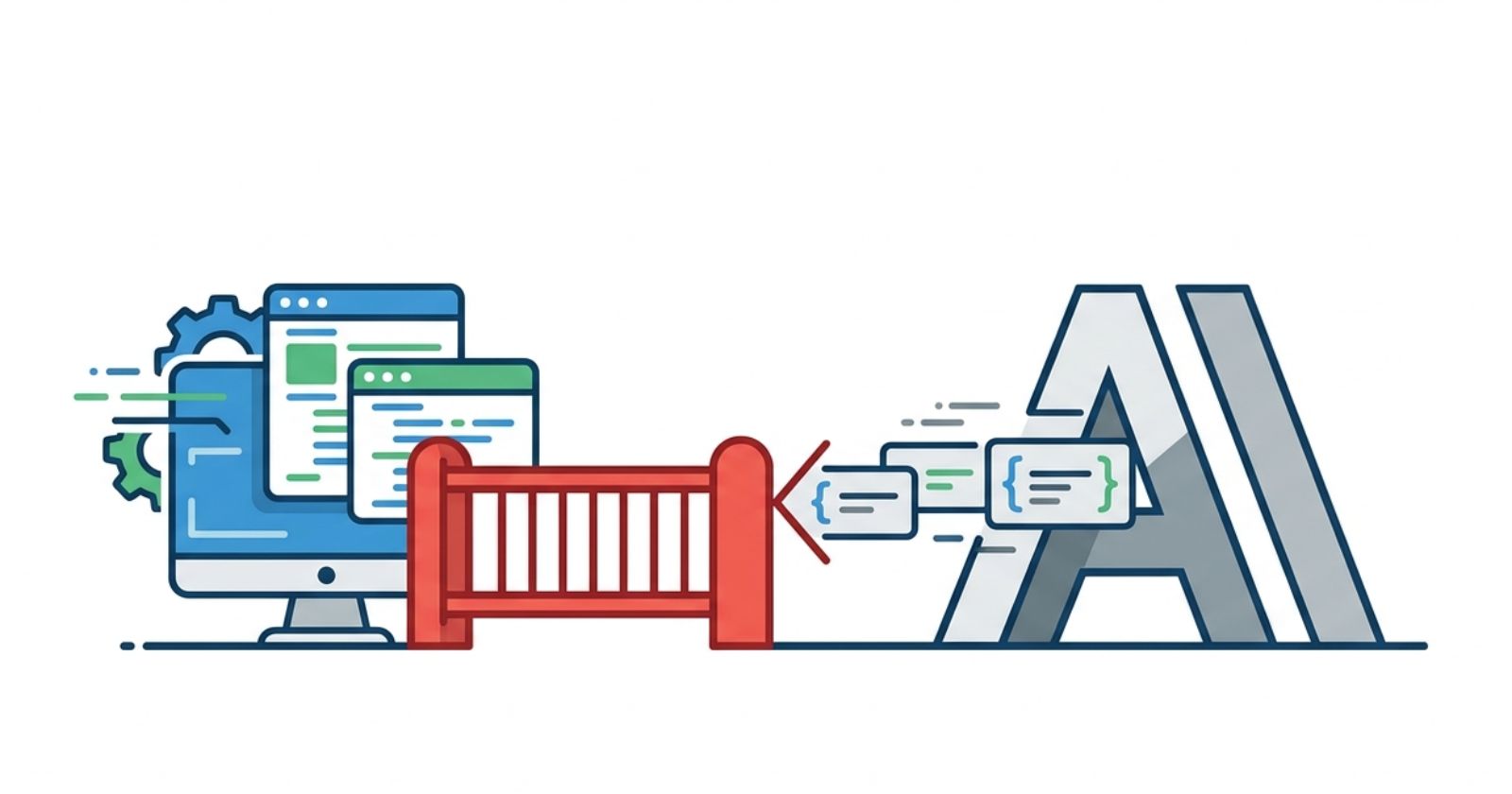
Anthropic, the San Francisco-based artificial intelligence company behind the Claude family of models, has introduced a major pricing adjustment for its Claude Code subscribers. Effective noon Pacific Time on April 4, 2026, users on Pro and Max plans can no longer apply their flat-rate subscription limits to third-party frameworks, starting with the popular open-source platform OpenClaw.
The change forces developers to pay for additional usage through a separate pay-as-you-go system. Anthropic stated that the policy will expand to all third-party harnesses in the coming weeks. Claude Code itself, the company’s native developer environment, remains fully covered under existing subscriptions and is unaffected.
The Economics Driving the Shift
Boris Cherny, head of Claude Code at Anthropic, explained the decision in a post on X. “We’ve been working hard to meet the increase in demand for Claude, and our subscriptions weren’t built for the usage patterns of these third-party tools,” he wrote. He noted that agentic frameworks, which run autonomously and perform tasks such as web browsing, code execution, and calendar management, consume far more compute resources than typical conversational queries.
Industry estimates cited in reports show that a single OpenClaw instance operating continuously could generate API-equivalent costs of $1,000 to $5,000 per day under heavy loads. Under the previous flat-rate model, Anthropic effectively subsidized this usage, a situation the company described as unsustainable for long-term growth and reliable service to all customers. Cherny emphasized that the move reflects engineering constraints rather than opposition to open source. He personally contributed pull requests to improve prompt cache efficiency, specifically for OpenClaw.
OpenClaw’s Rapid Rise and Sharp Reaction
OpenClaw, originally launched in late 2025 by Austrian developer Peter Steinberger, quickly became one of the fastest-growing open-source projects on GitHub, amassing hundreds of thousands of stars in weeks. The framework enables persistent memory, tool integration, and messaging across platforms, supporting Claude alongside models from OpenAI, Google, and others.
Steinberger joined OpenAI in February 2026, with the project continuing under open-source governance and company support. He responded critically to Anthropic’s announcement, claiming the timing followed his move and accusing the company of first incorporating popular features into its closed tools before restricting external access. Steinberger and OpenClaw board member Dave Morin said they had negotiated only a one-week delay in enforcement.
Impact on Developers and the Broader AI Ecosystem
The policy change delivers an immediate cost shock for thousands of developers and hobbyists who built workflows around OpenClaw and Claude. Some report potential increases of 10 to 50 times their previous monthly spending for heavy agentic use. Per-task costs under the new pay-as-you-go model are estimated between $0.50 and $2.00, depending on complexity.
To ease the transition, Anthropic is offering subscribers a one-time credit equal to one month’s plan cost, redeemable through April 17, 2026. Discounts of up to 30 percent are available on pre-purchased usage bundles. Users can also bypass subscriptions entirely by supplying a separate Claude API key and paying standard token rates.
The decision aligns with Anthropic’s broader strategy of strengthening its internal ecosystem. The company has invested heavily in its Claude Partner Network and launched a marketplace for Claude-powered applications. By directing developers toward native tools like Claude Code, Anthropic aims to retain control over customer relationships, data, and revenue streams while managing the massive computational demands of scaling advanced AI.
A Signal for the AI Industry’s Next Phase
As AI adoption accelerates in 2026, companies face growing pressure to align pricing with actual resource consumption. Anthropic’s move highlights the tension between accessible subscription models that drove early growth and the realities of powering resource-intensive autonomous agents.
For developers, the change underscores the need to evaluate the total cost of ownership when building with third-party frameworks. While OpenClaw remains fully functional with other models and API access to Claude, the era of unlimited subsidized agent runs on consumer-tier subscriptions has ended. Anthropic says it will monitor feedback and adjust as needed, but the message is clear: sustainable AI development requires pricing that matches usage.
This policy adjustment marks a pivotal moment in the maturing AI tools market, where innovation must now balance accessibility with economic viability.